

Hearing Services Program: What every pensioner and veteran MUST know
If you have noticed that conversations are becoming harder to follow, understanding your hearing care options is a helpful first step. For eligible Australians, the Australian Government Hearing Services Program provides funded hearing services and access to subsidised hearing devices.
But who qualifies? What does the program cover? And do you have to attend a particular clinic?
In the video above, I explain the essentials so you can feel more confident about seeking support. This article brings those key points together in writing.
A short history of government hearing care
Australia’s government hearing services have roots dating back to 1947, shortly after World War II. The Commonwealth Acoustic Laboratories, the predecessor of today’s Hearing Australia, helped returned veterans affected by wartime noise exposure and children with hearing loss following maternal rubella infection.
Services expanded to include pensioners in the 1960s. The modern voucher scheme followed in 1997, allowing eligible people to obtain government-funded hearing care through participating government and private providers.
That choice of provider remains an important part of the program today.
Who is eligible for the Hearing Services Program?
For the adult voucher scheme, applicants must be aged 21 or older and be Australian citizens, permanent residents or Norfolk Island residents. Qualifying cards include:
- Pensioner Concession Card, including cards issued to Disability Support Pension recipients.
- DVA Veteran Gold Card.
- DVA Veteran White Card covering eligible hearing-specific conditions.
Spouses of qualifying cardholders can also be eligible. Other pathways include eligible serving Australian Defence Force members and referrals from Inclusive Employment Australia providers.
Being retired or reaching a particular age does not automatically qualify you. A Commonwealth Seniors Health Card does not establish eligibility.
Check the official eligibility information, or ask a participating clinic to help: https://www.health.gov.au/our-work/hearing-services-program/accessing/eligibility
You have a choice of hearing clinic
Government funding does not mean you must attend a government-owned clinic under the voucher scheme.
Participating providers include Hearing Australia, large private clinic networks and independent practices such as Fidelity Hearing Centre. Some clinic networks are associated with hearing aid manufacturers, while others operate through broader retail businesses. Independent clinics include businesses run by hearing care practitioners.
The important first check is whether your preferred provider participates in the Hearing Services Program. From there, consider who you feel comfortable seeing and how the clinic will support your individual needs.
Providers may offer permanent clinic locations or visiting services. Visiting sites operate at particular times, so check appointment availability and what services can be delivered locally.
Find participating providers using the government directory: https://www.health.gov.au/our-work/hearing-services-program/accessing/find-provider
What about the Community Service Obligations pathway?
The program also has a Community Service Obligations, or CSO, component, delivered by Hearing Australia.
Subject to residency requirements, it covers people under 26; eligible Aboriginal and Torres Strait Islander people aged 50 or older or meeting specified community employment criteria; and voucher-eligible people requiring specialist services or living in designated remote areas.
These categories have specific conditions. Living outside a major city or identifying as Aboriginal or Torres Strait Islander does not, by itself, establish eligibility in every case. Ask your provider which pathway applies to you.
A comprehensive assessment: more than a quick hearing check
Hearing care begins with understanding your hearing and the situations in which you struggle. A comprehensive audiological assessment goes beyond identifying whether you can hear a few tones.
Your clinician will discuss your concerns, communication difficulties and goals. Testing helps establish the degree and nature of your hearing loss and whether any findings need medical investigation.
For example, you may need review by your GP or an ear, nose and throat specialist. Depending on your circumstances, your clinician may also recommend other professional support. A referral does not mean that every subsequent service is funded by the Hearing Services Program.
The aim is to develop a plan suited to you, rather than assume that everyone needs the same solution.
Hearing aid fitting and follow-up care
If hearing aids are appropriate and you meet the program’s fitting requirements, subsidies are available towards hearing devices and their fitting.
The program includes a range of fully subsidised hearing aids. This means the government funds the eligible devices and fitting, with no out-of-pocket charge for those items. Optional upgrades, accessories and maintenance arrangements can involve separate costs, which your provider should explain before you agree.
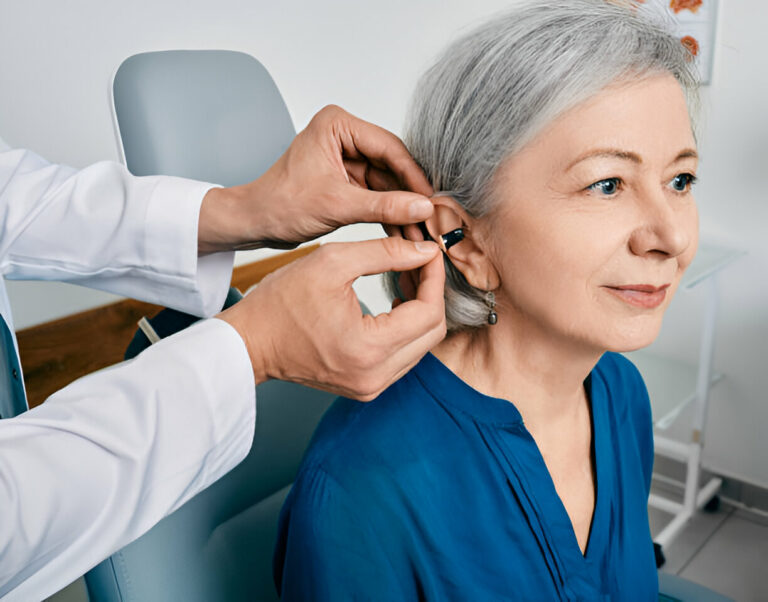
Fitting involves adjusting the devices for your hearing needs and showing you how to use and care for them. Follow-up appointments help check comfort, settings and how well the devices are meeting your communication goals.
I will explore hearing aid options in more detail in future videos.
Maintenance, batteries and consumables
Having hearing aids is only part of the process. They also need to work reliably, and you need to know where to get support when something changes.
An optional 12-month maintenance agreement provides a reasonable supply of batteries and consumables, plus cleaning, servicing and repairs within its terms. An annual contribution may apply. Fees and repair coverage can differ for fully and partially subsidised devices, so ask for the details in writing.
Accessories such as rechargers and remotes are not included in the standard agreement. Renewal requires your agreement.
Eligible Veteran Gold and hearing-specific White Card holders can have the standard maintenance contribution paid by DVA. A gap may apply for partially subsidised devices. Your provider can explain the arrangements for your circumstances.
We recommend discussing maintenance at your fitting appointment so you understand how to keep your hearing aids working well throughout the year.
Why ongoing reviews matter
Your hearing can change over time, just as your eyesight can. Even when your hearing aids still switch on, their settings may need review.
The program provides annual reviews to check your hearing needs and whether your devices remain appropriate. Tell your clinician if you notice a change in hearing or increasing difficulty in everyday conversations, rather than simply waiting for your next routine appointment.
Can you change clinics or take your services with you?
Yes. Under the voucher scheme, you can transfer to another participating provider, whether you move across the country or decide that another clinic is a better fit.
Your new provider will obtain your consent and arrange transfer of your records. It will also take over an existing program maintenance agreement. You can have one program provider at a time.
If you use partially subsidised devices, the new provider may set different maintenance costs or conditions. Check these before transferring so you know what to expect.
How to get started
Have your concession or veteran card details ready and check your eligibility online, or contact a participating hearing clinic for assistance. The clinic can help you understand your eligibility and apply for the program.
If you are unsure which card you hold or which services you can access, you do not need to work it out alone.
At Fidelity Hearing Centre, our team can help you check your eligibility and explain the next steps. Contact our Springwood or Birkdale clinic to discuss your hearing care needs.
More information and upcoming videos
This video is an introduction to the program. In future videos, I will explain hearing aid options, the different types of hearing providers in Australia, what to look for when choosing a clinic, and additional hearing support available to eligible veterans.
Follow Fidelity Hearing Centre for practical information to help you understand your options and make informed decisions about your hearing care.
Official resources
- Hearing Services Program overview: https://www.health.gov.au/our-work/hearing-services-program
- Eligibility and eligibility checker links: https://www.health.gov.au/our-work/hearing-services-program/accessing/eligibility
- How to apply: https://www.health.gov.au/our-work/hearing-services-program/accessing/apply
- Find a participating provider: https://www.health.gov.au/our-work/hearing-services-program/accessing/find-provider
- Services, maintenance and associated costs: https://www.health.gov.au/our-work/hearing-services-program/accessing/voucher-services
- DVA hearing support: https://www.dva.gov.au/what-we-help-with/health-support/hearing-services
Information checked October 2026. Individual eligibility, service availability and charges depend on program rules and your circumstances.